
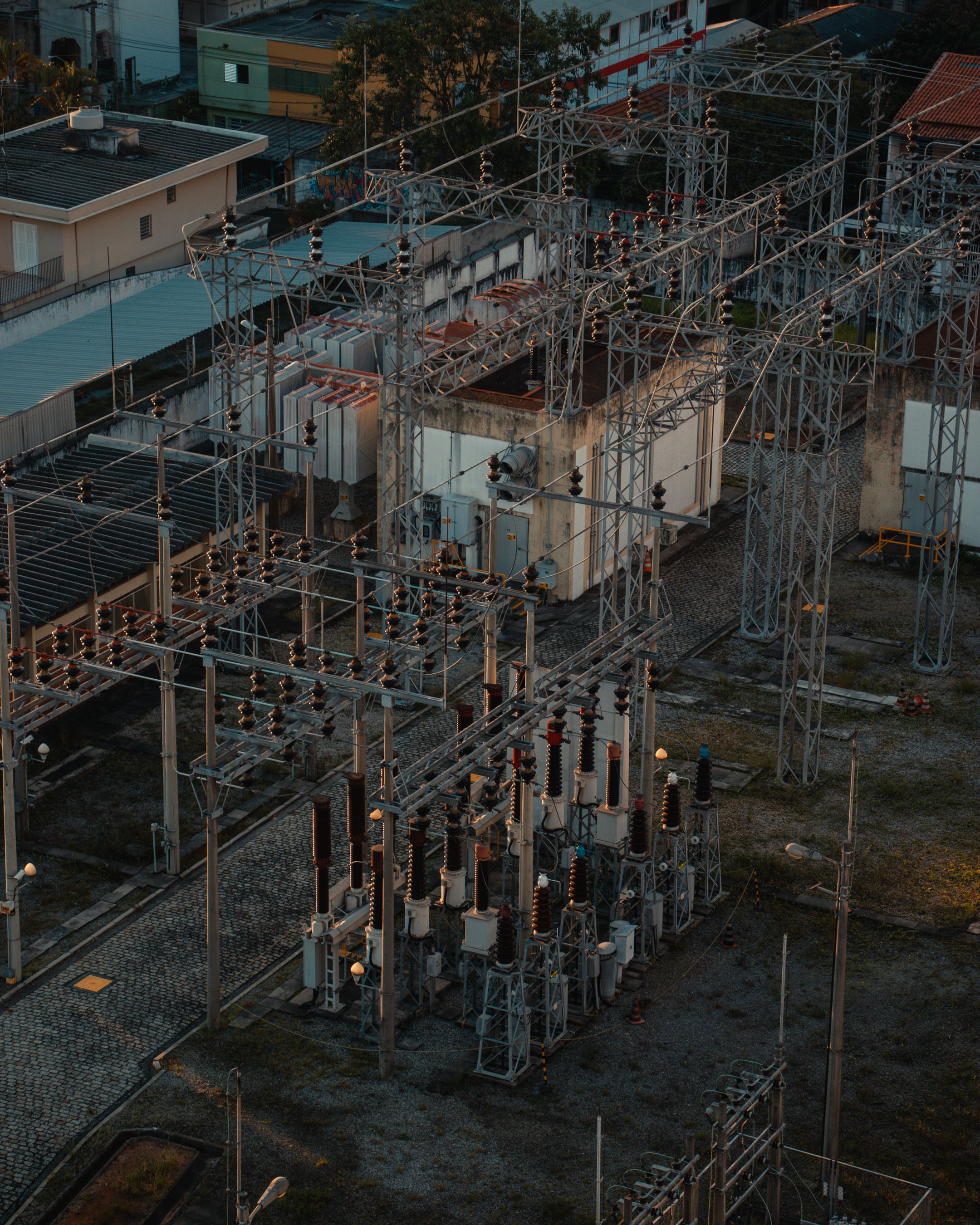
AI Decides When a Power Plant Should Sell and When to Store
What should a solar power plant do with its peak generation at noon: sell it immediately to the grid, or store it for the evening hours when prices will rise? This question is a decision that determines the difference between a power producer's profit and loss, and it needs to be made repeatedly, hour after hour, every day. Entech is Phexum's own energy technologies startup, developed precisely to make this decision data-driven and automatic. It forecasts electricity prices hourly, optimizes the plant's generation, storage, and sales decisions based on the market's instantaneous conditions, and takes automatic action on behalf of the plant when necessary.
Featured Results
Entech treats a power plant not just as a facility that generates energy, but as a dynamic asset that is continuously optimized. It generates hourly electricity price forecasts, plans generation and storage according to these forecasts, and widens the margin between generation cost and sales revenue in favor of the producer by making sales at moments when the price is highest. The decision is not the result of a single optimization; it works as a multi-dimensional recommendation that collectively evaluates different price scenarios, risk-return balances, and capacity limits.


Cross-Cutting Concepts and Architecture

The common denominator running through this entire product is time. Because both price and generation vary depending on time, everything Entech solves essentially turns into a timing problem. The first leg of this is price forecasting. On the engineering side, this falls into the domain of time series forecasting: models are built that learn past price movements, supply-demand balance, and grid conditions to produce short and medium-term price expectations. Entech does not provide this as a single definitive number, but as probabilistic scenarios, because a decision that accounts for all different possibilities is much more robust than relying on a single number about the future. The producer's gain comes from here: they can now make decisions based not only on the current price but also on the expectation a few hours ahead.

The second common denominator is optimization. A forecast alone is not enough; that forecast must be combined with the plant's reality, namely its generation capacity, storage fullness, and grid feed-in limits. Such a problem aims to find the most profitable action while simultaneously considering multiple variables and constraints; this is known as constrained optimization. Entech holistically evaluates decisions such as moving generation to storage during low-price hours, releasing stored energy to the market when the price rises, and, in some cases, seeing that waiting is more profitable and doing nothing. This way, revenue losses arising from poor timing are prevented, and the return on storage investment is accelerated.
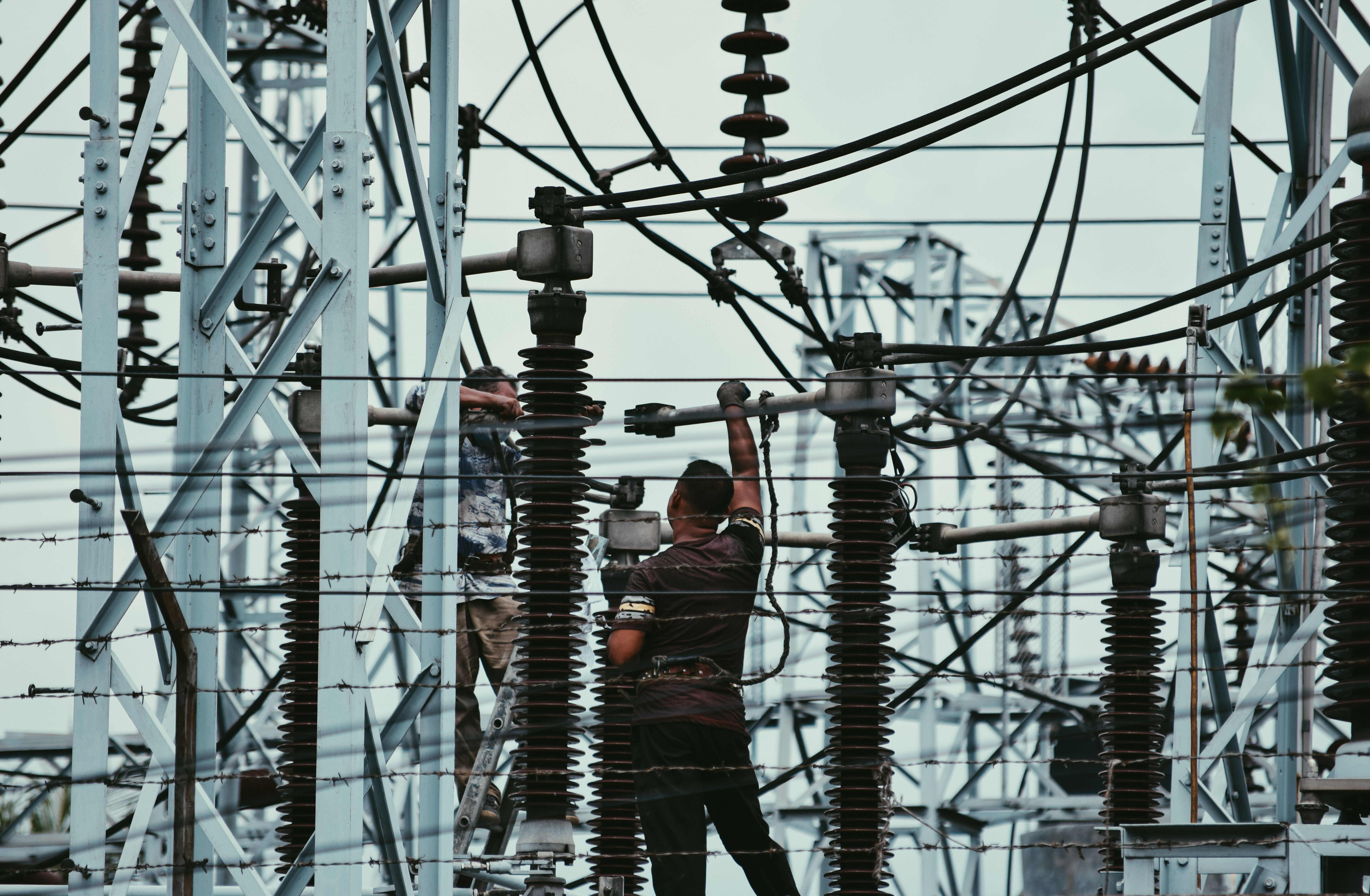
The World Entech Lives In
In Turkey, electricity is bought and sold within a centralized market structure, and prices are not fixed throughout the day. In the Day-Ahead Market (DAM) operated by the market operator EPİAŞ, hourly bids are submitted one day in advance for each delivery day, and a single Market Clearing Price (MCP) is formed for each hour at the intersection of supply and demand. This means that 9:00 AM and 7:00 PM on the same day can have completely different prices; the producer's revenue is directly dependent on the hour the electricity is sold.
This structure creates a critical tension for renewable power plants whose generation is time-dependent. A solar power plant generates the most around noon. However, the price is often at its lowest during that exact time because everyone is generating and feeding the grid simultaneously. A power plant with storage capacity can profit from this margin. But to do so, it needs to see the future, meaning it must foresee when the price will rise. Entech was born precisely to solve this timing problem.
How the Story Was Built
We designed Entech with the idea of optimizing energy generation and storage processes through AI-supported decision mechanisms. From the beginning, the system's core focus was not monitoring generation, but making the decision: when to generate, when to store, when to sell. Therefore, we built the product on two layers: at the bottom runs a price engine that forecasts the future, and on top sits an optimization layer that combines these forecasts with the plant's actual capacity constraints to generate actions.
Not tracking prices and deciding manually, but reading the market hourly and choosing the most profitable action.
Building Blocks of the Solution
Entech's price prediction engine analyzes hourly fluctuations in the market, producing short and medium-term forecasts and different price scenarios. The optimization layer sitting on top of this calculates which hour the generation will be fed to the grid, which hour storage is more advantageous, when the stored energy will be offered to the market, and in which scenario waiting is more profitable, producing recommendations and translating them into automatic actions when necessary. Because market conditions are constantly updating, the system doesn't just provide a one-time result; it continuously renews the generation and sales strategy according to changing prices.
The Impact We Created
Entech aims to simultaneously improve an energy producer's operational efficiency and financial performance: reducing generation losses, preventing revenue loss from poor timing, optimizing the return on storage investment, and making plant operation smarter. Ultimately, the plant stops being a facility that tries to track prices and make manual decisions, transforming into a dynamic asset that reads the market hourly and independently chooses the most profitable action.